Tuesday, 29 September 2015

Another breakthrough achieved - India free of maternal and neonatal tetanus

After achieving a major triumph over Polio, India has touched yet another milestone in the public health system. India now lists in the countries that have successfully eliminated maternal and neonatal tetanus. Maternal and neonatal tetanus is reduced to less than one case per 1000 live births in the entire country.World Health Organization declared India free of maternal and neonatal tetanus on the 15th of May. Nagaland being the last state to achieve this as validated by a survey conducted in April.


This remarkable achievement is the part the Maternal and Neonatal Tetanus Elimination Initiative launched by UNICEF, WHO and UNFPA in 1999, to combat the deadly spread of tetanus amongst mothers and newborns (due to the unhygienic conditions of delivery exposing mother and newborns to the toxic bacteria). According to WHO, over the past 15 years, the worldwide death rate from tetanus dropped from around 800,000 deaths in 2000 to under 50,000 this year. However, in countries like, Afghanistan, Pakistan and Nigeria, the disease still represents a public health threat.

India’s victory in the battle

India’s various national immunization programme and the special immunization weeks helped in a big way in achieving this milestone. Needless to mention that the most recent ‘Mission Indradhanush’, helped ensure that children are immunized against diphtheria, pertussis, tetanus, childhood tuberculosis, polio, hepatitis B and measles from 60% to 95% and pregnant women are reached with vaccines.

According to UNICEF, what made India’s program stand out is the fact that it didn’t rely purely on immunization drives. Childhood vaccinations were supported with a policy that encouraged women to give birth in sanitary environments: the Indian government offered a payment of $21 for every delivery in a hospital, and women who insisted on a traditional delivery at home were offered free sterilized delivery kits.

The ‘National Rural Health Mission’ promoted institutional deliveries with a focus on the poor. The ‘JananiSurakshaYojana’ encouraged women to give birth in a health facility. With India’s achievement, almost the entire WHO South-East Asia Region, barring a few districts in Indonesia, has now eliminated maternal and neonatal tetanus.

Still a long way!

No doubt, we have reached our goal of achieving maternal and neonatal tetanus, however, there is still much to be done. Unlike smallpox and polio, tetanus cannot be eradicated, as tetanus spores remain stubbornly present in the environment worldwide. As the risk of tetanus persists, we need to continue our efforts to ensure that MNTE is maintained - women and children are immunized and clean deliveries and proper cord care activities get a further boost.

Image source:

Friday, 25 September 2015

Rising dengue menace..

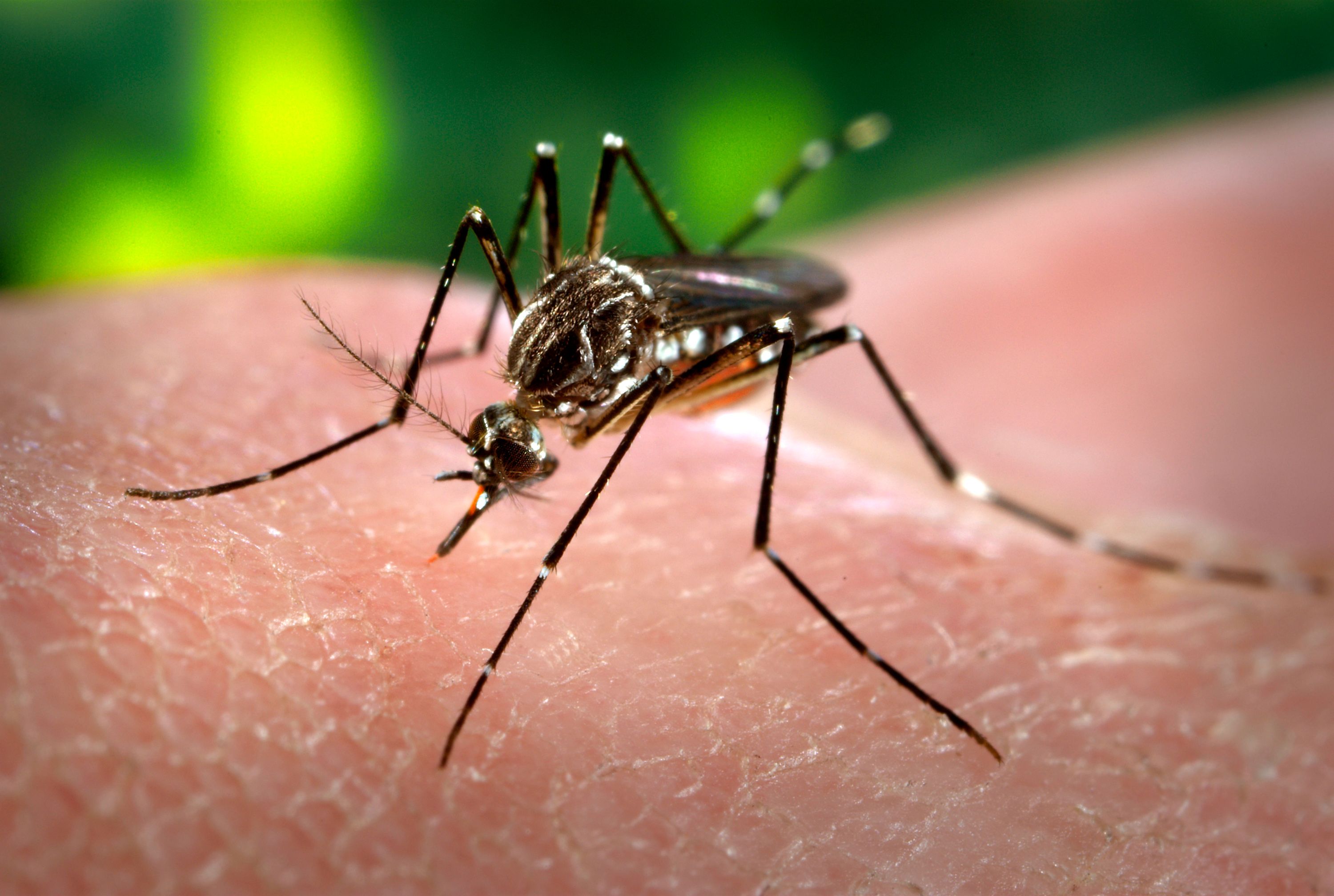
Once again, Aedes Aegypti has created much hue and cry in the country. The increasing number of Dengue cases seems surprising as around 27,668 dengue cases have been reported this year, according to a different set of data of the Union Health Ministry of India. Officials are saying that the current year till September is the worst in the past six years.

Dengue is hyper-endemic in Kerala, the incidence peaks twice every year, during the two monsoon seasons. Followed by Kerala, the national capital is the worst hit this year. Monsoon rains provide more breeding grounds for disease-carrying mosquitoes, who lay their eggs in stagnant water, including pots of clean water, puddles and open sewage drains.


Fastest emerging pandemic

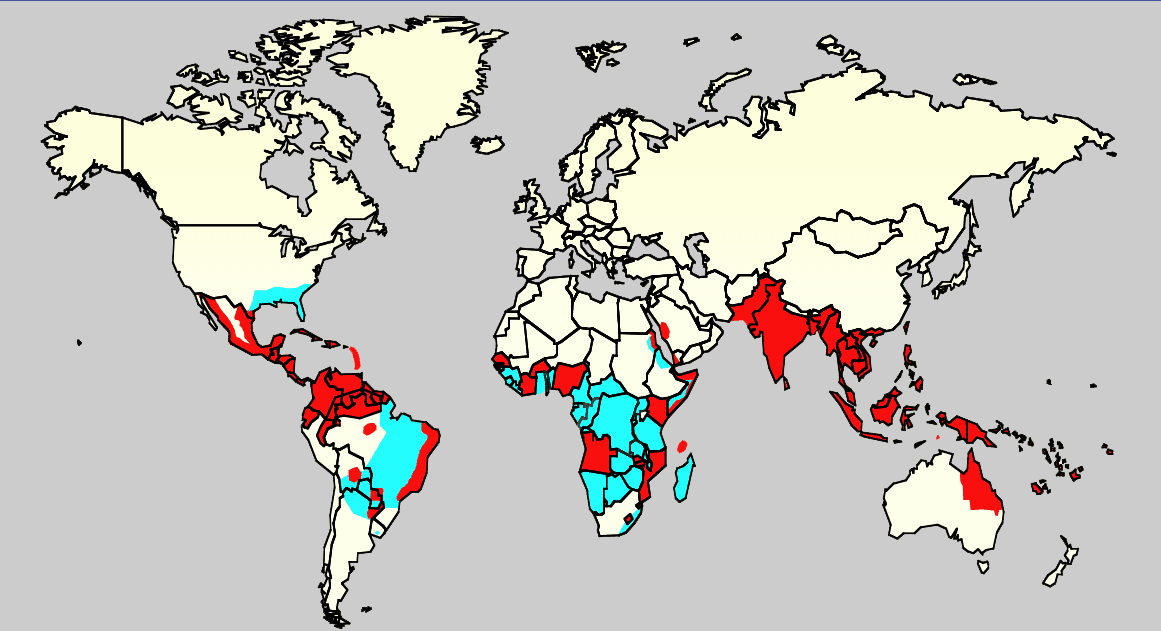
In recent times, the global incidence of dengue has grown dramatically. About half of the world's population is now at risk. Dengue is found in tropical and sub-tropical climates worldwide, mostly in urban and semi-urban areas. Severe dengue is a leading cause of serious illness and death among children in some Asian and Latin American countries.

Severe dengue (previously known as dengue haemorrhagic fever) was first recognized in the 1950s during dengue epidemics in the Philippines and Thailand. Outbreaks have occurred recently in the Caribbean, including Puerto Rico, the U.S. Virgin Islands, Cuba, and Central America.


Transmission  
  • The Aedes aegypti mosquito is the primary vector of dengue.
  • Virus is transmitted to humans through the bites of infected female mosquitoes.
  • The mosquito lives in urban habitats and breeds mostly in man-made containers.
  • Unlike other mosquitoes Aedes aegypti is a day-time feeder; its peak biting periods are early in the  morning and in the evening before dusk.
  •  Female Aedes aegypti bites multiple people during each feeding period.

Symptoms may include:
  • Fever for 3 to 7 days
  • Intense headache and pain behind the eyes
  • Muscle and joint pain
  • Loss of appetite
  • Vomiting and diarrhoea
  • Skin rash
  • Bleeding, usually from the nose or gums.

There is no specific treatment for dengue/ severe dengue, but early detection and access to proper medical care lowers fatality rates below 1%. Because dengue fever is caused by a virus, there is no specific medicine or antibiotic to treat it. For controlling fever and pain paracetamol is preferred. Rest and fluid intake for hydration is important. There are currently no licensed dengue vaccines available.
  
Prevention is the best medicine

At present, the only method to control or prevent the transmission of dengue virus is to combat vector mosquitoes through preventing mosquitoes from accessing egg-laying habitats by environmental management and modification.
  • Disposing of solid and liquid waste properly
  • Covering, emptying and cleaning of domestic water storage containers on a weekly basis
  • Apply pesticides to water storage outdoor containers
  • Use personal household protection such as window screens, long-sleeved clothes, insecticide treated materials, coils and vaporizers
  • Promote community participation and mobilization for sustained vector control
  • Application of insecticides as space spraying during outbreaks as one of the emergency vector-control measures.
  • Monitoring and surveillance of vectors should be carried out to determine effectiveness of control       

The need of the hour is to have a systematic approach to deal with such public health emergencies. Rest prevention always works better than cure! 


Image source:


Wednesday, 23 September 2015

MERS - A global threat

             After the deadly Ebola outbreak, it is MERS virus, which is making global headlines. Middle East Respiratory Syndrome Coronavirus, better known as MERS-CoV, is a strain of coronavirus that causes a viral respiratory illness. The disease was first reported in the Saudi Arabia in September 2012. To date, several countries have reported MERS-CoV infections, including China, Malaysia, the Philippines and the Republic of Korea from the Western Pacific Region.


                         Saudi Arabia is on verge of the outbreak once again as the travelers begin to arrive for the Hajj, the annual pilgrimage to Islam’s holy sites that falls between September 20 and 25 this year. During the course of the pilgrimage, Saudi Arabia hosts more than 2 million people, such a large gathering make it extraordinarily easy for a virus like MERS to spread. Though the majority of human cases of MERS have been attributed to human-to-human infections but camels are likely to be a major reservoir host for MERS-CoV and an animal source of MERS infection in humans.

                     Typical MERS symptoms include fever, cough and shortness of breath. Pneumonia is common, but not always present. Gastrointestinal symptoms includediarrhoea. According to the WHO, 1,244 MERS cases have been reported globally to date and approximately 36% of reported patients with MERS have died.People with diabetes, renal failure, chronic lung disease, and immune-compromised persons are considered to be at high risk of severe disease from MERSCoV infection. Therefore, these people should avoid close contact with animals, particularly camels, when visiting farms, markets, or barn areas where the virus is known to be potentially circulating.


            Prevention is better than cure
                         
Ø  Infection prevention and control measures are critical to prevent the possible spread of MERS-CoV in health care facilities.
Ø  Droplet precautions should be added to the standard precautions when providing care to patients.
Ø  General hygiene measures, such as regular hand washing before and after touching animals and avoiding contact with sick animals, should be adhered to.
Ø  Food hygiene practices should be observed. People should avoid drinking raw camel milk or camel urine, or eating meat that has not been properly cooked.


               Central governments and healthcare workers in all countries including India are maintaining a high level of surveillance and vigilance for the possibility of MERS-CoV especially among migrant workers returning from the affected countries. Keeping in mind the upcoming Hajj pilgrimage and the amount of people expected to go to Mecca, there is a need to worry and be vigilant about MERS.
                         
              The urgent need of the hour is to develop supplemental surveillance strategies other than the currently recommended measures.