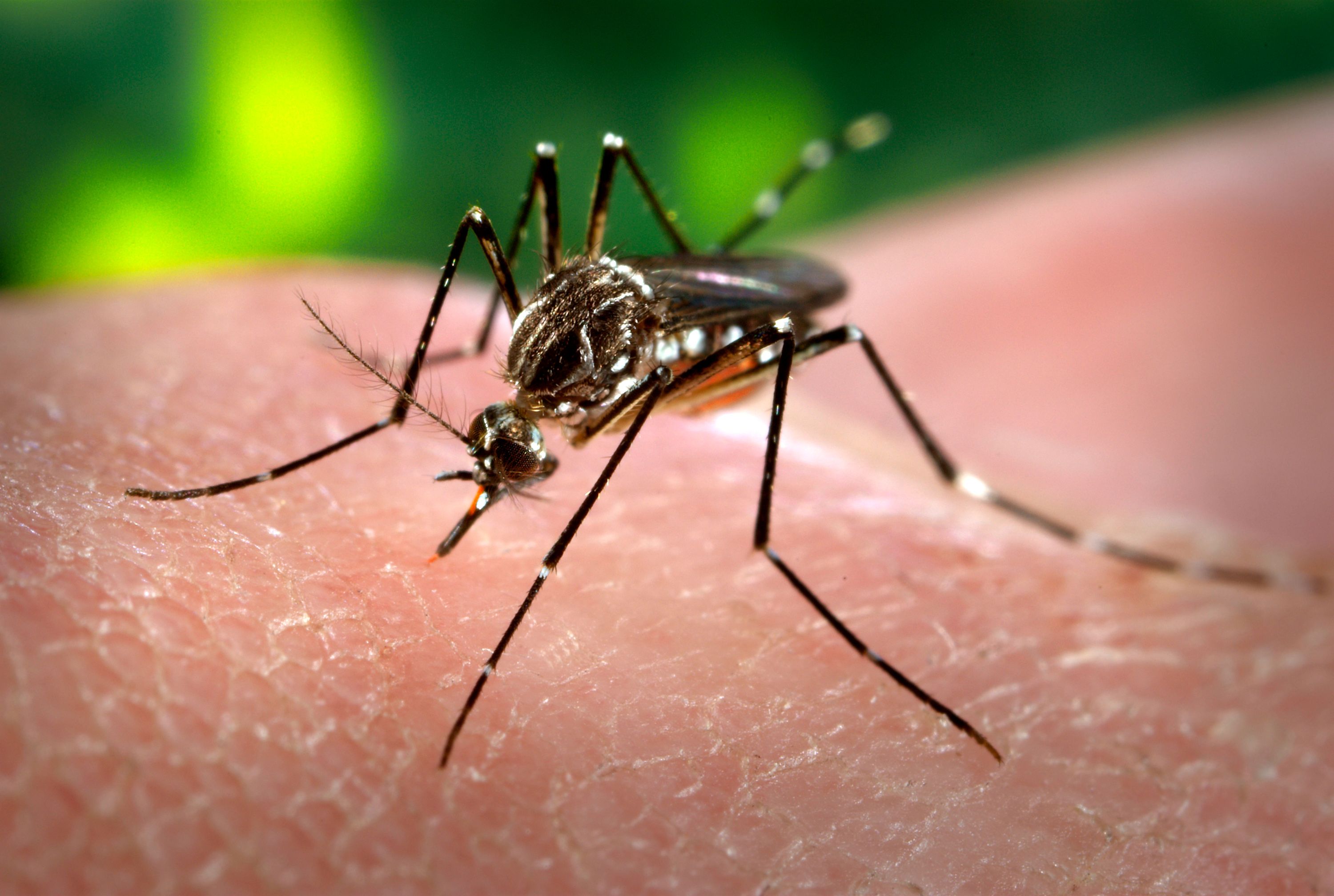
Once again, Aedes
Aegypti has created much hue and cry in the country. The increasing number
of Dengue cases seems surprising as around 27,668 dengue cases have been
reported this year, according to a different set of data of the Union Health
Ministry of India. Officials are saying that the current year till September is
the worst in the past six years.
Dengue is hyper-endemic in Kerala, the incidence
peaks twice every year, during the two monsoon seasons. Followed by Kerala, the
national capital is the worst hit this year. Monsoon
rains provide more breeding grounds for disease-carrying mosquitoes, who lay
their eggs in stagnant water, including pots of clean water, puddles and open
sewage drains.

Fastest
emerging pandemic
In recent times,
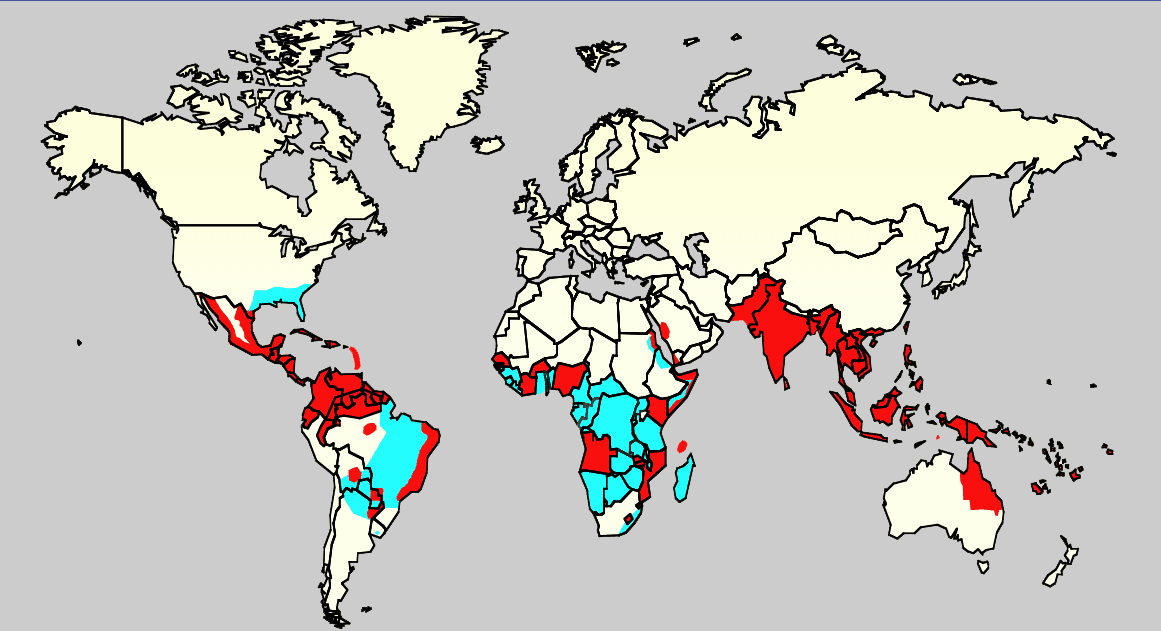
the global incidence of dengue has grown dramatically. About half of the
world's population is now at risk. Dengue is found in tropical and sub-tropical
climates worldwide, mostly in urban and semi-urban areas. Severe dengue is a
leading cause of serious illness and death among children in some Asian and
Latin American countries.
Severe dengue (previously known as dengue haemorrhagic fever) was first recognized
in the 1950s during dengue epidemics in the Philippines and Thailand. Outbreaks
have occurred recently in the Caribbean, including Puerto Rico, the U.S. Virgin
Islands, Cuba, and Central America.

Transmission
- The Aedes aegypti mosquito is the primary vector of dengue.
- Virus is transmitted to humans through the bites of infected female mosquitoes.
- The mosquito lives in urban habitats and breeds mostly in man-made containers.
- Unlike other mosquitoes Aedes aegypti is a day-time feeder; its peak biting periods are early in the morning and in the evening before dusk.
- Female Aedes aegypti bites multiple people during each feeding period.
Symptoms may
include:
- Fever for 3 to 7 days
- Intense headache and pain behind the eyes
- Muscle and joint pain
- Loss of appetite
- Vomiting and diarrhoea
- Skin rash
- Bleeding, usually from the nose or gums.
There is no
specific treatment for dengue/ severe dengue, but early detection and access to
proper medical care lowers fatality rates below 1%. Because dengue fever is caused by a virus,
there is no specific medicine or antibiotic to treat it. For controlling fever and pain paracetamol is preferred.
Rest and fluid intake for hydration is important. There are currently no licensed
dengue vaccines available.
Prevention
is the best medicine
At present, the only method to control or prevent the transmission of dengue virus is to combat vector mosquitoes through preventing mosquitoes from accessing egg-laying habitats by environmental management and modification.
At present, the only method to control or prevent the transmission of dengue virus is to combat vector mosquitoes through preventing mosquitoes from accessing egg-laying habitats by environmental management and modification.
- Disposing of solid and liquid waste properly
- Covering, emptying and cleaning of domestic water storage containers on a weekly basis
- Apply pesticides to water storage outdoor containers
- Use personal household protection such as window screens, long-sleeved clothes, insecticide treated materials, coils and vaporizers
- Promote community participation and mobilization for sustained vector control
- Application of insecticides as space spraying during outbreaks as one of the emergency vector-control measures.
- Monitoring and surveillance of vectors should be carried out to determine effectiveness of control
The need of the hour is to have a systematic approach to deal with such public health emergencies. Rest prevention always works better than cure!
Image source: